3 hours ago
A good platformer counts a jump even if you've already fallen. I've been signing from the very edge of the ret
A good platformer counts a jump even if you've already fallen.
I've been signing from the very edge of the retreat to the very last minute, to the thinnest! handsome. Now there's no edge left: you're pushed off the air, and the game pretends to be right.
Coyote time is named after Looney Tunes coyote time, which is when a character comes off the platform and the game takes a few more shots of the unseen Earth under it.
Why do we need this? Then why is it that our current is always late? Neuroscientists at MIT have found that even in record-breaking mode, the brain takes 13 milliseconds to just recognize an image, and the signal still has to reach your finger. By the time you see the character at the edge, the simulation has already taken it forward.
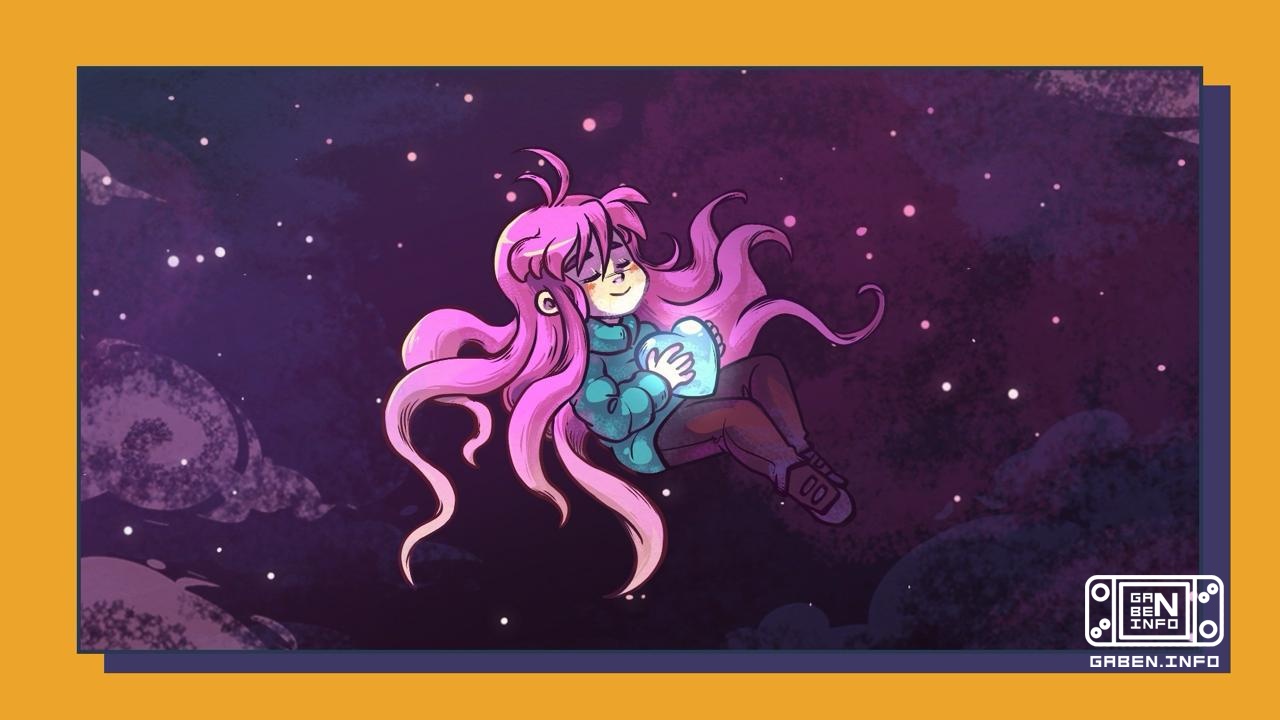
The best thing about this is that Maddie Thorson, author of Celeste, wrote a game where you die a thousand times and still don't get very angry, you don't lose motivation. The secret is this: timings and hit boxes there are a little bit cheating in favor of the player.
The same ruthless Super Meat Boy also forgives the confluence from the edge the jump is already in the air. And the earliest coyote-time found is generally dated to 1990: in A Boy and His Blob on the NES, the hero, moving from a concession, hangs over the abyss for a moment. But the best reception is seen when it is turned off. #game
I've been signing from the very edge of the retreat to the very last minute, to the thinnest! handsome. Now there's no edge left: you're pushed off the air, and the game pretends to be right.
Coyote time is named after Looney Tunes coyote time, which is when a character comes off the platform and the game takes a few more shots of the unseen Earth under it.
Why do we need this? Then why is it that our current is always late? Neuroscientists at MIT have found that even in record-breaking mode, the brain takes 13 milliseconds to just recognize an image, and the signal still has to reach your finger. By the time you see the character at the edge, the simulation has already taken it forward.
The best thing about this is that Maddie Thorson, author of Celeste, wrote a game where you die a thousand times and still don't get very angry, you don't lose motivation. The secret is this: timings and hit boxes there are a little bit cheating in favor of the player.
The same ruthless Super Meat Boy also forgives the confluence from the edge the jump is already in the air. And the earliest coyote-time found is generally dated to 1990: in A Boy and His Blob on the NES, the hero, moving from a concession, hangs over the abyss for a moment. But the best reception is seen when it is turned off. #game