August 3, 2026 04:38
Everything you ever wanted to know about the impact of reviews on sales on Steam. A free translation of Simon'
Everything you ever wanted to know about the impact of reviews on sales on Steam.
A free translation of Simon's class material.
(Yes, we understand that this is a contentious topic because recent reviews are no longer filtered by language!) As we have shown in a recent AI study, from June 25 to July 2, 2026, we interviewed with interest about 3,800 Steam fans of the most engaged gamers who respond to online gaming and similar activities on a number of topics. Why? Because large selections with such detailed data on how people interact with Steam simply don't exist! The second topic we asked these gamers about is what many of us pay close attention to: user feedback on Steam. What are we talking about them? To get started, we need to figure out how to get their interest.
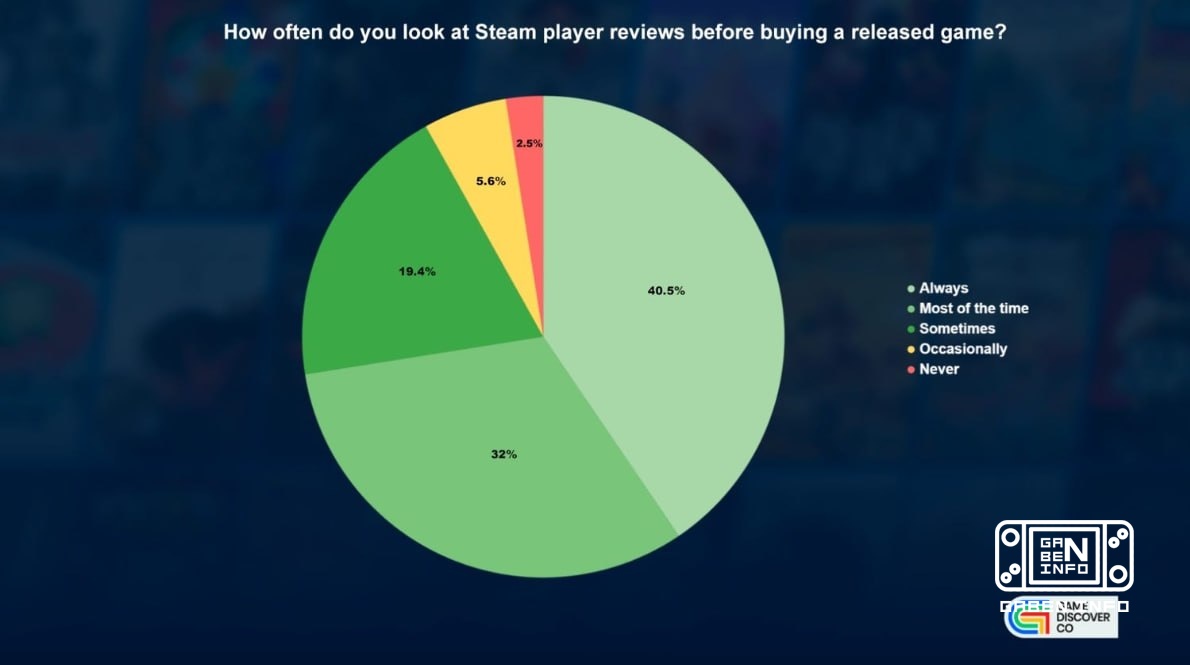
So, yes, feedback from gamers is a really important factor on Steam. 40.5% of all respondents said they always check reviews before buying, another 32% do it most of the time. (Next: 19.4% check reviews sometimes, 5.6% rarely, and only 2.5% never.) Maybe nothing surprising but confirmation is always helpful.
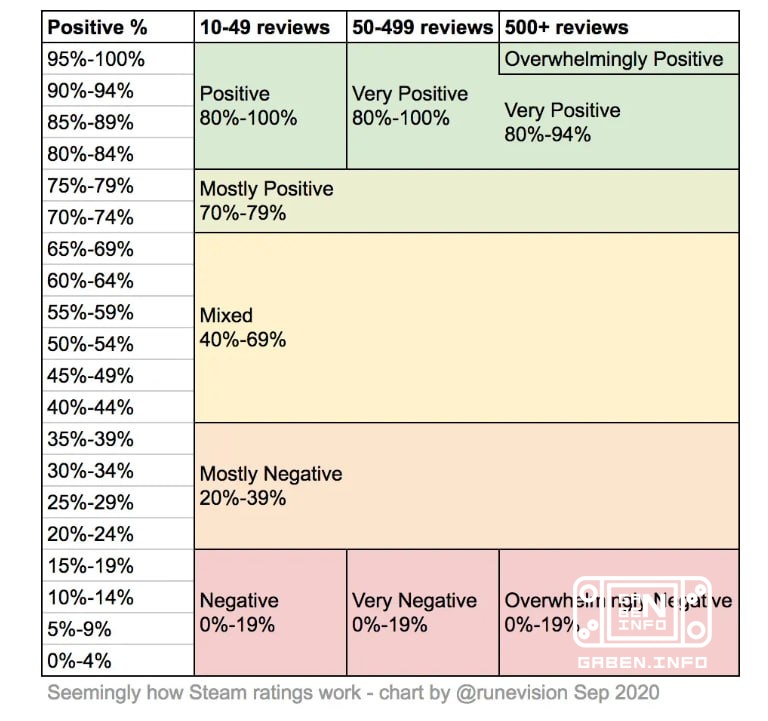
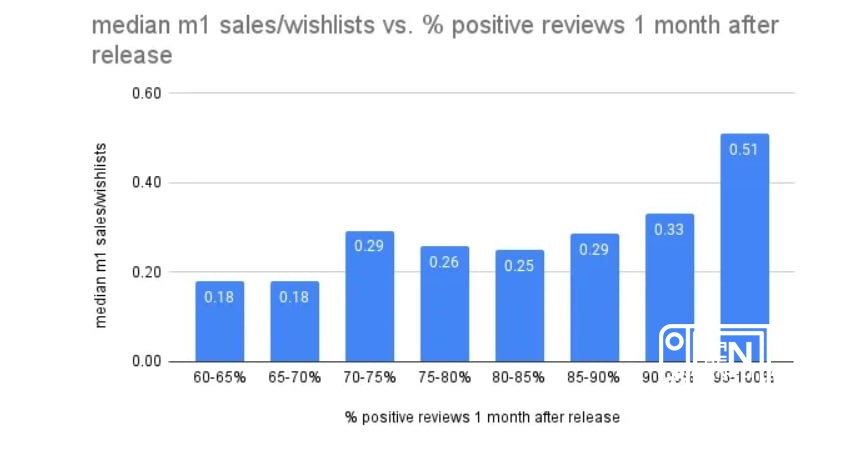
A lot of data has been published earlier showing that games with lower ratings sell worse especially with Mixed and lower ratings (partly because of the quality of the games themselves, but the domino effect is also present!).
Looking at these charts, we weren't sure at what level of rating people would say, "I'm less likely to buy a game with this rating". And that's important because it could have a significant impact on the sales of a long tail.
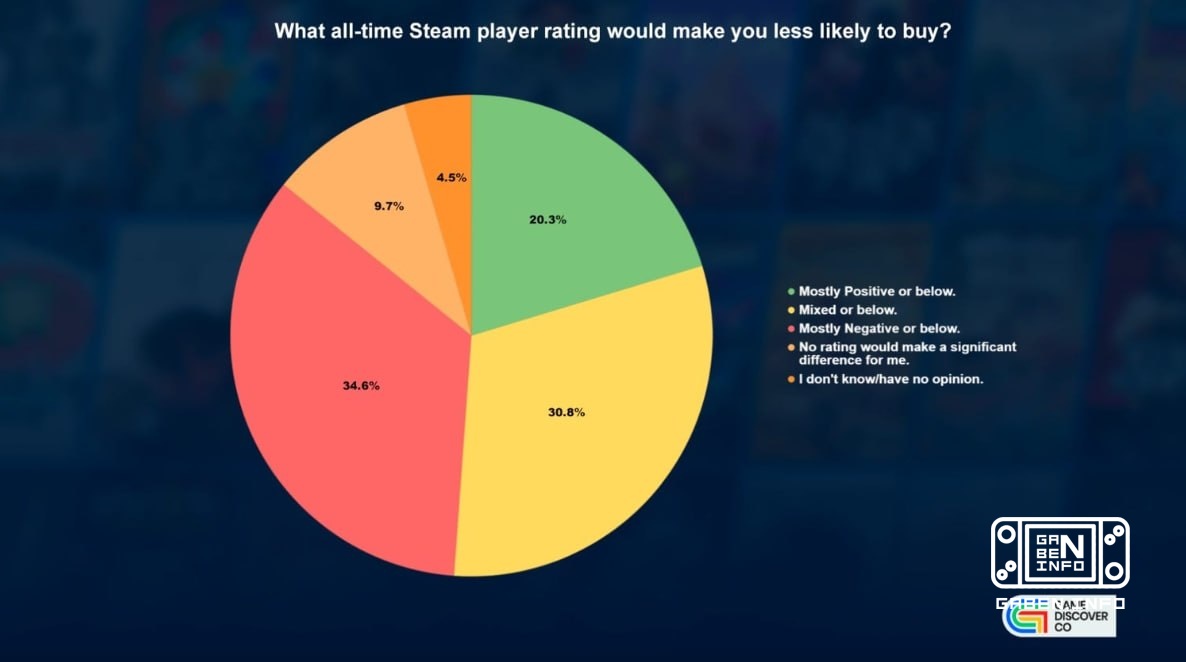
Let's list it in order: 20.3% of respondents said that the overall rating below Very positive (i.e. Mostly positive and below) would reduce their desire to buy the game. And 30.8% said that their rating would push them away Mixed and below. (In other words, if your overall rating Mixed, half of the audience is already looking at a game with skepticism...)
Next: 34.9% of respondents said that they would be really scared off if only the rating was Mostly negative and below, and only 9.7% said that None of the ratings would play a significant role for me Conclusion: reviews really matter. But the rating Mostly positive?
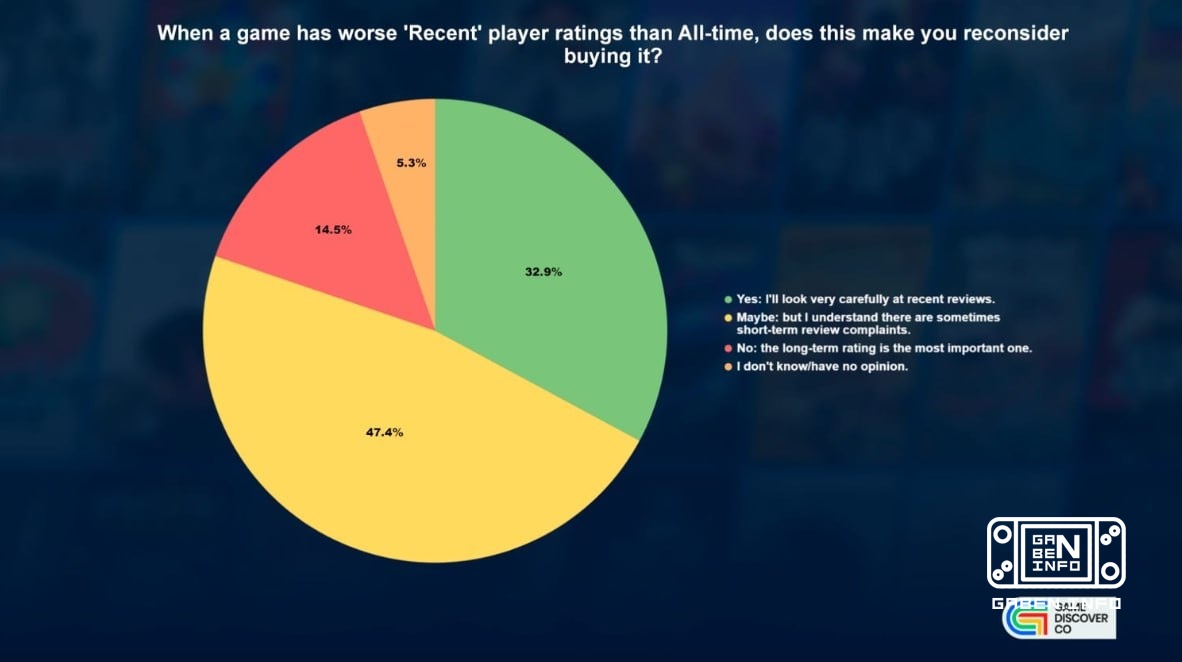
Finally, we asked about the recent ratings topic is now in everyone's hearing, because the review bombing in other languages is still reflected in the recent ones section, even if the main rating is made up of only English-language reviews. As you can see, 32.9% of respondents said yes, if the recent reviews of the game are worse than the general ones, they'll study them very carefully. 47.4% said they might look at them, but they understand that sometimes it's just a short-term burst of discontent. And only 14.5% would not pay attention to that.
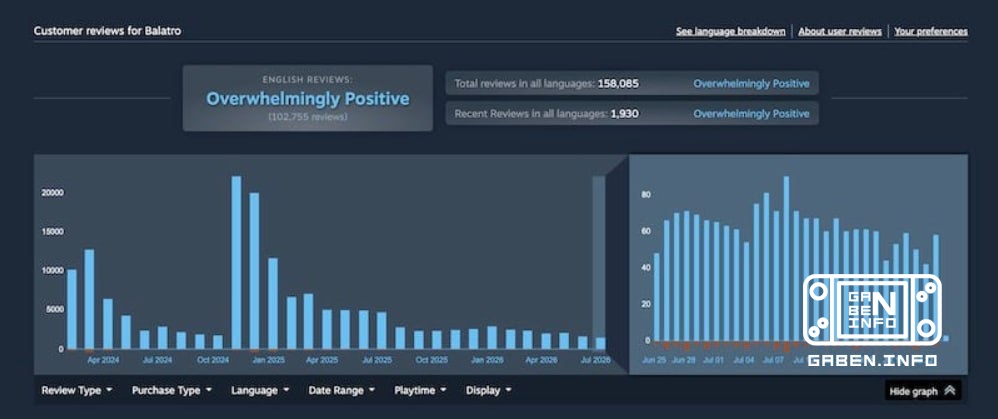
That's a great, really great official Balatro review chart on Steam.
We also asked open-source questions: What do you find most/least useful in Steam's user feedback system? and got over 2,500 satisfactory responses (!!) for each. So with Claude we highlighted the main advantages of the feedback system, accompanying them with real player quotes: Information about bugs, performance and technical issues (14% of respondents): I only look at the reviews to see if people report bugs... [and] to get information about performance This is more important than the game's content rating. Ability to filter, sort and dig deep into the data (7% of respondents): Separate review with the most useful and fresh reviews. Ability to respond. Responsibility. Responsibility from developers. A timetable for distributing positive and negative reviews. Reflection of lead times as a factor of reviewer confidence (6% of respondents): It is most useful for me to see time in the game right next to the author's opinion.
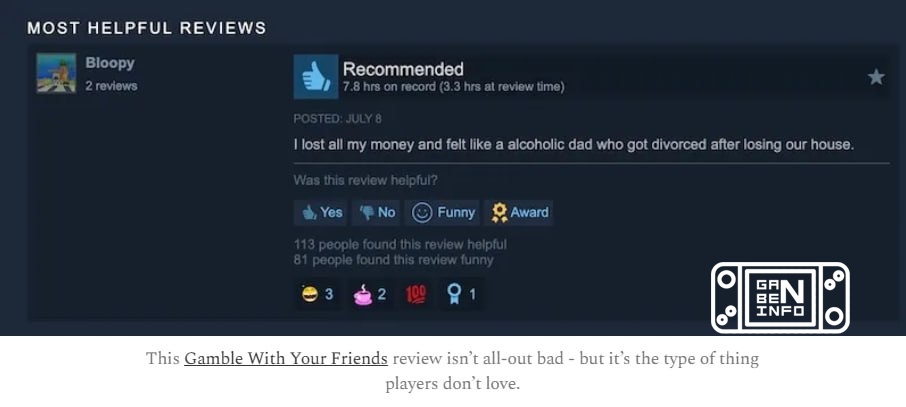
This review of Gamble With Your Friends isn't necessarily bad, but it's the kind of thing gamers don't like.
Contrary to merit, in the answers to the question What do you find least useful in the Steam review system? there is much more unanimity around one particular topic: jokes, memes, trolling and low-quality reviews (20% of respondents): The short reviews that will be copied under each game, the truth is, they have become less valuable ever since Steam reduced the value of awards: there is still no incentive to ask them in reviews. When a new game starts with 200 enthusiastic reviews within the first few days, and each reviewer in the library has one game, something is unclean here. (We're not sure about one game in the library, but it does happen...) Also mentioned are: bias, emotion and unfair negativity, notation, and reward form, binary choice finger up/down without a neutral option, as well as reviews without any specifics. #game #Steam
A free translation of Simon's class material.
(Yes, we understand that this is a contentious topic because recent reviews are no longer filtered by language!) As we have shown in a recent AI study, from June 25 to July 2, 2026, we interviewed with interest about 3,800 Steam fans of the most engaged gamers who respond to online gaming and similar activities on a number of topics. Why? Because large selections with such detailed data on how people interact with Steam simply don't exist! The second topic we asked these gamers about is what many of us pay close attention to: user feedback on Steam. What are we talking about them? To get started, we need to figure out how to get their interest.
So, yes, feedback from gamers is a really important factor on Steam. 40.5% of all respondents said they always check reviews before buying, another 32% do it most of the time. (Next: 19.4% check reviews sometimes, 5.6% rarely, and only 2.5% never.) Maybe nothing surprising but confirmation is always helpful.
A lot of data has been published earlier showing that games with lower ratings sell worse especially with Mixed and lower ratings (partly because of the quality of the games themselves, but the domino effect is also present!).
Looking at these charts, we weren't sure at what level of rating people would say, "I'm less likely to buy a game with this rating". And that's important because it could have a significant impact on the sales of a long tail.
Let's list it in order: 20.3% of respondents said that the overall rating below Very positive (i.e. Mostly positive and below) would reduce their desire to buy the game. And 30.8% said that their rating would push them away Mixed and below. (In other words, if your overall rating Mixed, half of the audience is already looking at a game with skepticism...)
Next: 34.9% of respondents said that they would be really scared off if only the rating was Mostly negative and below, and only 9.7% said that None of the ratings would play a significant role for me Conclusion: reviews really matter. But the rating Mostly positive?
Finally, we asked about the recent ratings topic is now in everyone's hearing, because the review bombing in other languages is still reflected in the recent ones section, even if the main rating is made up of only English-language reviews. As you can see, 32.9% of respondents said yes, if the recent reviews of the game are worse than the general ones, they'll study them very carefully. 47.4% said they might look at them, but they understand that sometimes it's just a short-term burst of discontent. And only 14.5% would not pay attention to that.
That's a great, really great official Balatro review chart on Steam.
We also asked open-source questions: What do you find most/least useful in Steam's user feedback system? and got over 2,500 satisfactory responses (!!) for each. So with Claude we highlighted the main advantages of the feedback system, accompanying them with real player quotes: Information about bugs, performance and technical issues (14% of respondents): I only look at the reviews to see if people report bugs... [and] to get information about performance This is more important than the game's content rating. Ability to filter, sort and dig deep into the data (7% of respondents): Separate review with the most useful and fresh reviews. Ability to respond. Responsibility. Responsibility from developers. A timetable for distributing positive and negative reviews. Reflection of lead times as a factor of reviewer confidence (6% of respondents): It is most useful for me to see time in the game right next to the author's opinion.
This review of Gamble With Your Friends isn't necessarily bad, but it's the kind of thing gamers don't like.
Contrary to merit, in the answers to the question What do you find least useful in the Steam review system? there is much more unanimity around one particular topic: jokes, memes, trolling and low-quality reviews (20% of respondents): The short reviews that will be copied under each game, the truth is, they have become less valuable ever since Steam reduced the value of awards: there is still no incentive to ask them in reviews. When a new game starts with 200 enthusiastic reviews within the first few days, and each reviewer in the library has one game, something is unclean here. (We're not sure about one game in the library, but it does happen...) Also mentioned are: bias, emotion and unfair negativity, notation, and reward form, binary choice finger up/down without a neutral option, as well as reviews without any specifics. #game #Steam