September 3, 2026 10:50




As for the DLSS 5 dilemma, to me, all of the neural rendering options present a powerful effect on the creepy
As for the DLSS 5 dilemma, to me, all of the neural rendering options present a powerful effect on the creepy valley even if there's not a single character in the frame, but only wild nature and cars from Forza Horizon.
In addition, the notorious Suspension of disbelief has stopped working because the brain is starting to feel faint. Over the last couple of decades, the graphics capabilities of PCs and consoles have increased, which has allowed us to get rid of the scary whirlwinds, but the effect has gone nowhere, and it's just easier to deal with the dissonance. In the case of DLSS 5, we get a hyper-realistic beauty film that is pulled onto the computer fools. We start to see a lot of small flaws in the animations and the smoothness that's running through the brain of the acids. And it's going to be more difficult to deal with. So we need to make serious differences between the more detailed models and the more detailed scenes that are being played in the normal scenes, and that's going to be a very simple learning experience.
Critics of DLSS 5 are building a pretty silly line of defense. In particular, they believe that the introduction of Path Tracing will solve a lot of problems, making Nvidia's technology meaningless. In practice, it's important to note that most game developers are lazy assholes.
While they're scared of the constant negative reaction from the public to AI, they're going to be slowly selling the technology out of the loop, and in the case of DLSS 5, they won't have to struggle with the more bulky technology of lighting, high-detailed 3D character designs, and so on.
The main obstacle, rather, is that AMD's competitor is just about to roll out its DLSS counterpart that will work with PCs and consoles, and that is if the company wants to release the technology at all, because if you're not aware, AMD's video game business is quietly breathing in the background (and it's the leading supplier of components for the Xbox and PlayStation), because all the resources are being spent on building data centers for AI computing, and ordinary gamers don't care.
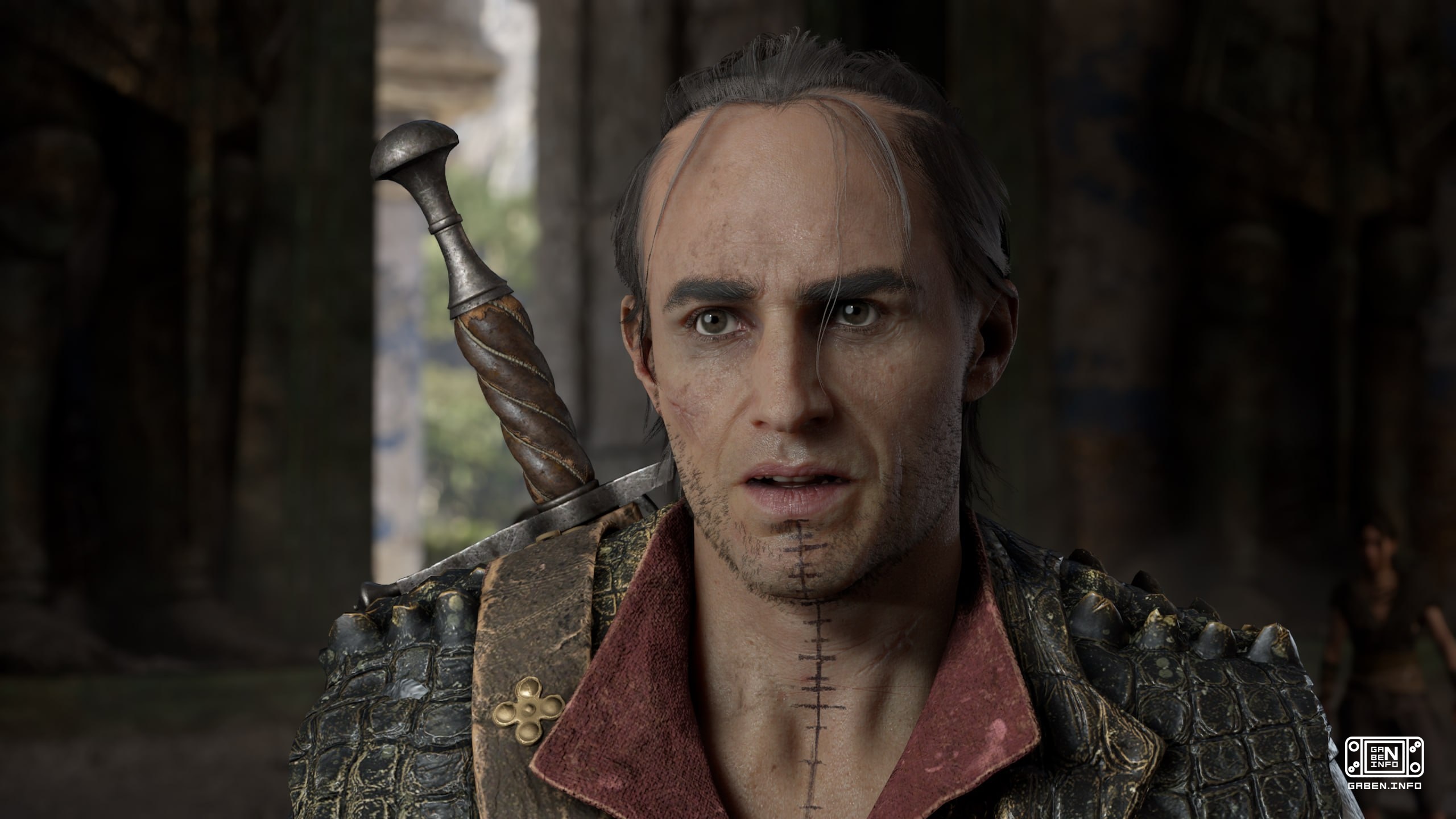
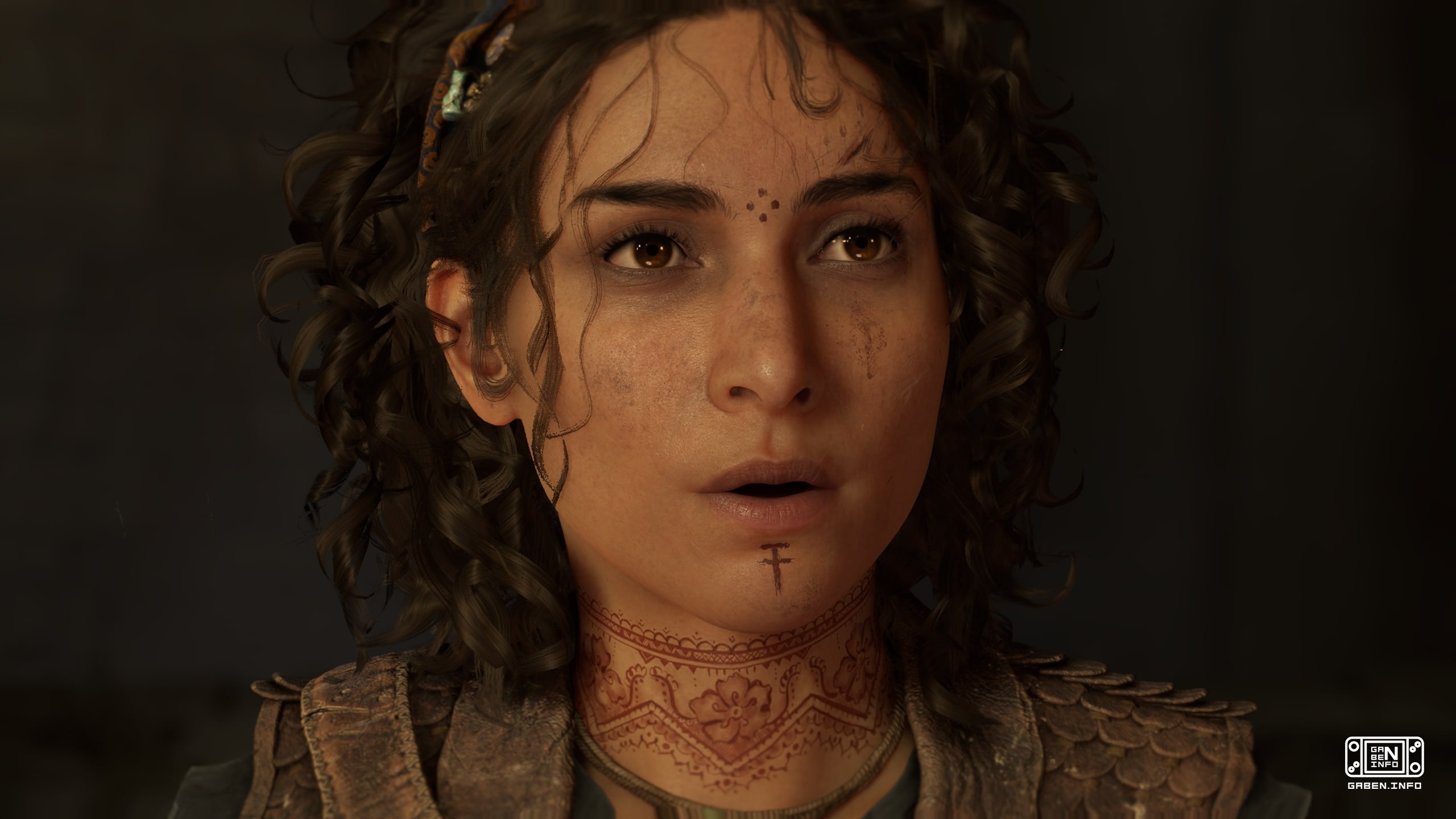
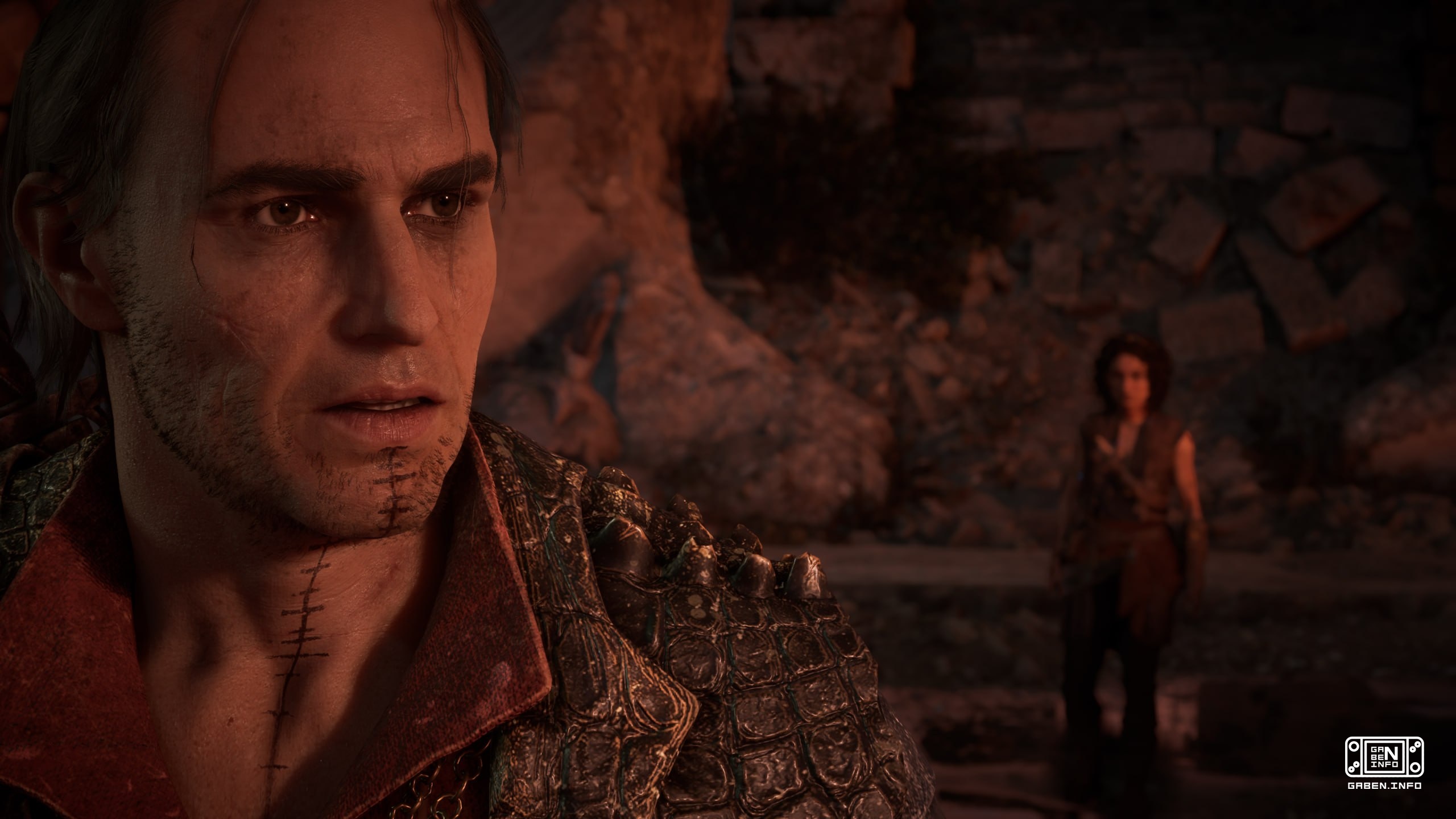
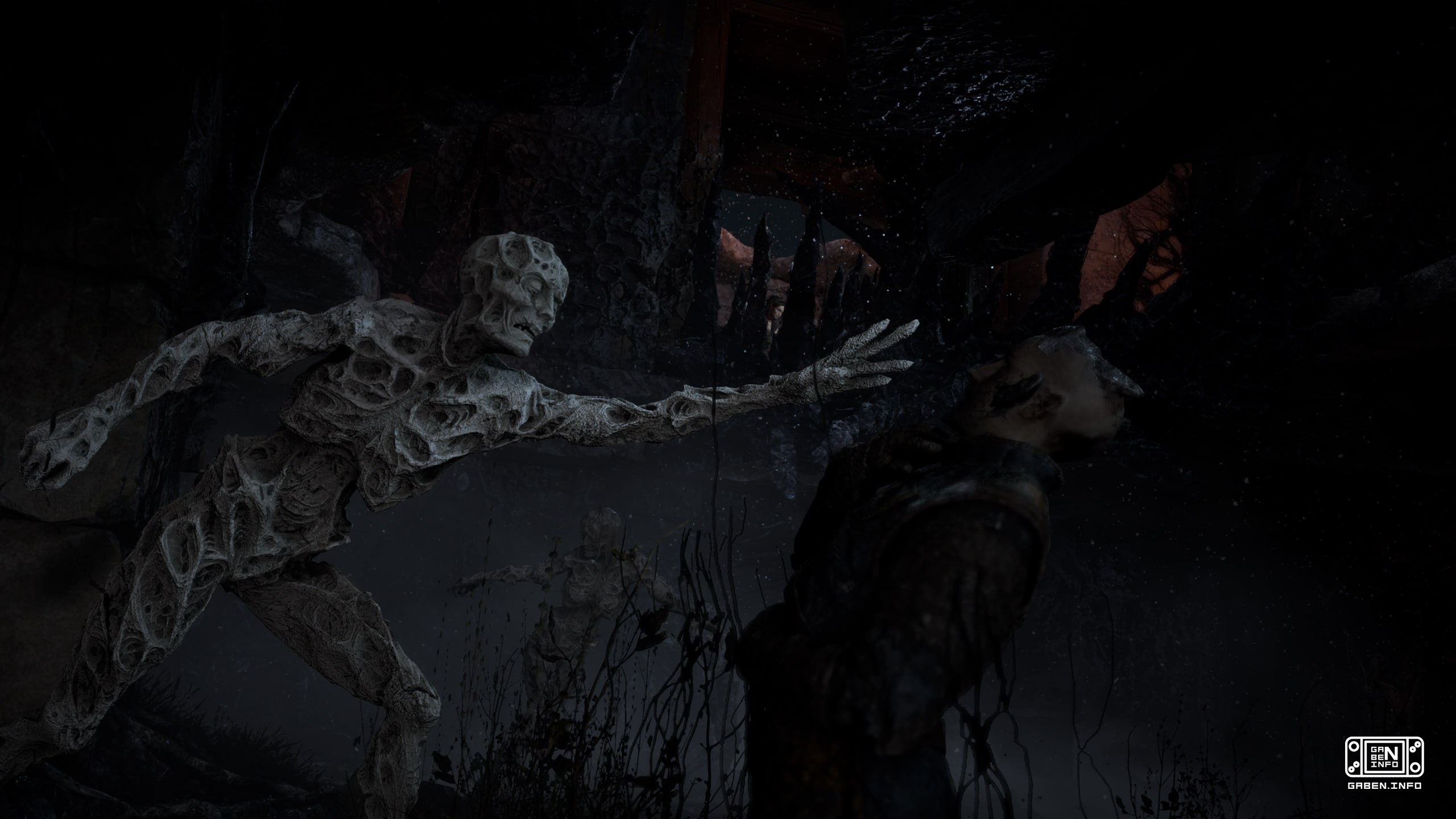
On screenshots beautiful character models from the game Resonance: A Plague Tale Legacy, which gives you a taste of all the games on Unreal Engine 5 both in terms of optimization and purity of the final image. #game
In addition, the notorious Suspension of disbelief has stopped working because the brain is starting to feel faint. Over the last couple of decades, the graphics capabilities of PCs and consoles have increased, which has allowed us to get rid of the scary whirlwinds, but the effect has gone nowhere, and it's just easier to deal with the dissonance. In the case of DLSS 5, we get a hyper-realistic beauty film that is pulled onto the computer fools. We start to see a lot of small flaws in the animations and the smoothness that's running through the brain of the acids. And it's going to be more difficult to deal with. So we need to make serious differences between the more detailed models and the more detailed scenes that are being played in the normal scenes, and that's going to be a very simple learning experience.
Critics of DLSS 5 are building a pretty silly line of defense. In particular, they believe that the introduction of Path Tracing will solve a lot of problems, making Nvidia's technology meaningless. In practice, it's important to note that most game developers are lazy assholes.
While they're scared of the constant negative reaction from the public to AI, they're going to be slowly selling the technology out of the loop, and in the case of DLSS 5, they won't have to struggle with the more bulky technology of lighting, high-detailed 3D character designs, and so on.
The main obstacle, rather, is that AMD's competitor is just about to roll out its DLSS counterpart that will work with PCs and consoles, and that is if the company wants to release the technology at all, because if you're not aware, AMD's video game business is quietly breathing in the background (and it's the leading supplier of components for the Xbox and PlayStation), because all the resources are being spent on building data centers for AI computing, and ordinary gamers don't care.
On screenshots beautiful character models from the game Resonance: A Plague Tale Legacy, which gives you a taste of all the games on Unreal Engine 5 both in terms of optimization and purity of the final image. #game