August 23, 2026 19:03
Tim Caine continues to generate wisdom on his YouTube channel, this time solving an old argument about what's
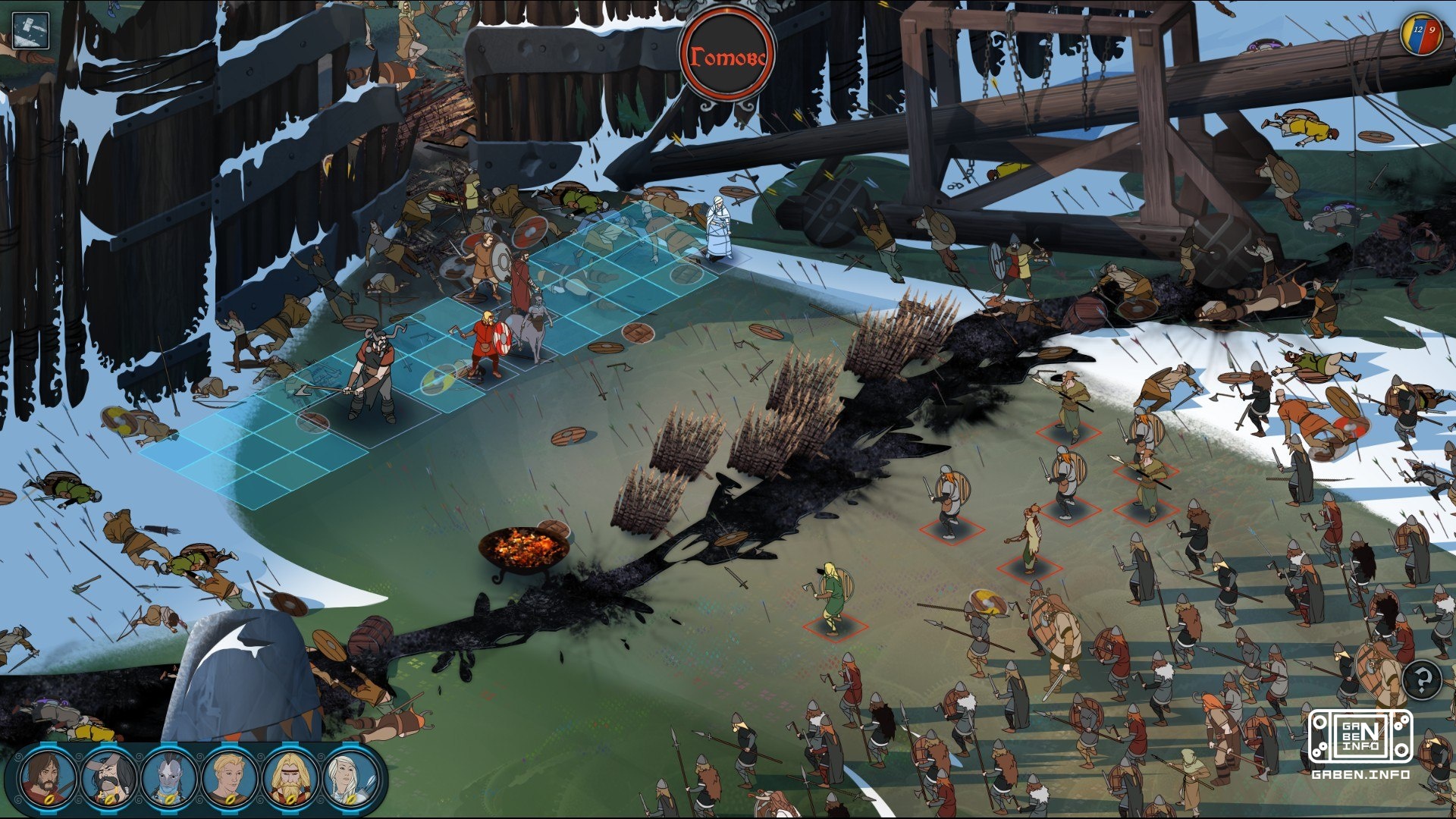
Tim Caine continues to generate wisdom on his YouTube channel, this time solving an old argument about what's best for RPG step-by-step or real-time.
The developer himself doesn't consider any approach objectively best: they're tools that you have to choose for a specific game. Realtime, he thinks, is more natural for first-person games, faster and more engaging. But it's more difficult to manage a group of characters, and the pause here works more like a patch: "It doesn't solve all problems".
One of the main drawbacks of step-by-step combat, Kane calls for slowness, especially in large-scale battles. He does not advise that you delay the table rules in real time with a pause: such a system can create strange situations when the enemy is able to leave the spell area while the character is using it. Real time allows, and sometimes requires, good reaction and accuracy, expanding the space for self-expression.
Kane is more of an advocate of RPGs, where bills and strategy come first, rather than reaction speed. He also doesn't recommend free switching between step and real-time mode, as in Arcanum, Pillars of Eternity or Pathfinder from Owlcat: this greatly increases workload.
Clair Obscur: Expedition 33 is the story of the game's story. The former head of Sony, Syuhay Yoshida, advised during the development not to call the game a step RPG, fearing that the genre tag itself would scare the audience away.
Personally, I'm always in the CRPG for a step-by-step fight and no pauses so that the battles don't turn into an uncontrollable garbage dump. #game #Strategy
The developer himself doesn't consider any approach objectively best: they're tools that you have to choose for a specific game. Realtime, he thinks, is more natural for first-person games, faster and more engaging. But it's more difficult to manage a group of characters, and the pause here works more like a patch: "It doesn't solve all problems".
One of the main drawbacks of step-by-step combat, Kane calls for slowness, especially in large-scale battles. He does not advise that you delay the table rules in real time with a pause: such a system can create strange situations when the enemy is able to leave the spell area while the character is using it. Real time allows, and sometimes requires, good reaction and accuracy, expanding the space for self-expression.
Kane is more of an advocate of RPGs, where bills and strategy come first, rather than reaction speed. He also doesn't recommend free switching between step and real-time mode, as in Arcanum, Pillars of Eternity or Pathfinder from Owlcat: this greatly increases workload.
Clair Obscur: Expedition 33 is the story of the game's story. The former head of Sony, Syuhay Yoshida, advised during the development not to call the game a step RPG, fearing that the genre tag itself would scare the audience away.
Personally, I'm always in the CRPG for a step-by-step fight and no pauses so that the battles don't turn into an uncontrollable garbage dump. #game #Strategy