August 9, 2026 15:47

How 90 video cards saved Vincent Valentine. Every game that's been restored and/or preserved is a real win for
How 90 video cards saved Vincent Valentine.
Every game that's been restored and/or preserved is a real win for the industry. It seems like a huge number of games, and we're in the digital age, but no, a lot is lost forever for different reasons.
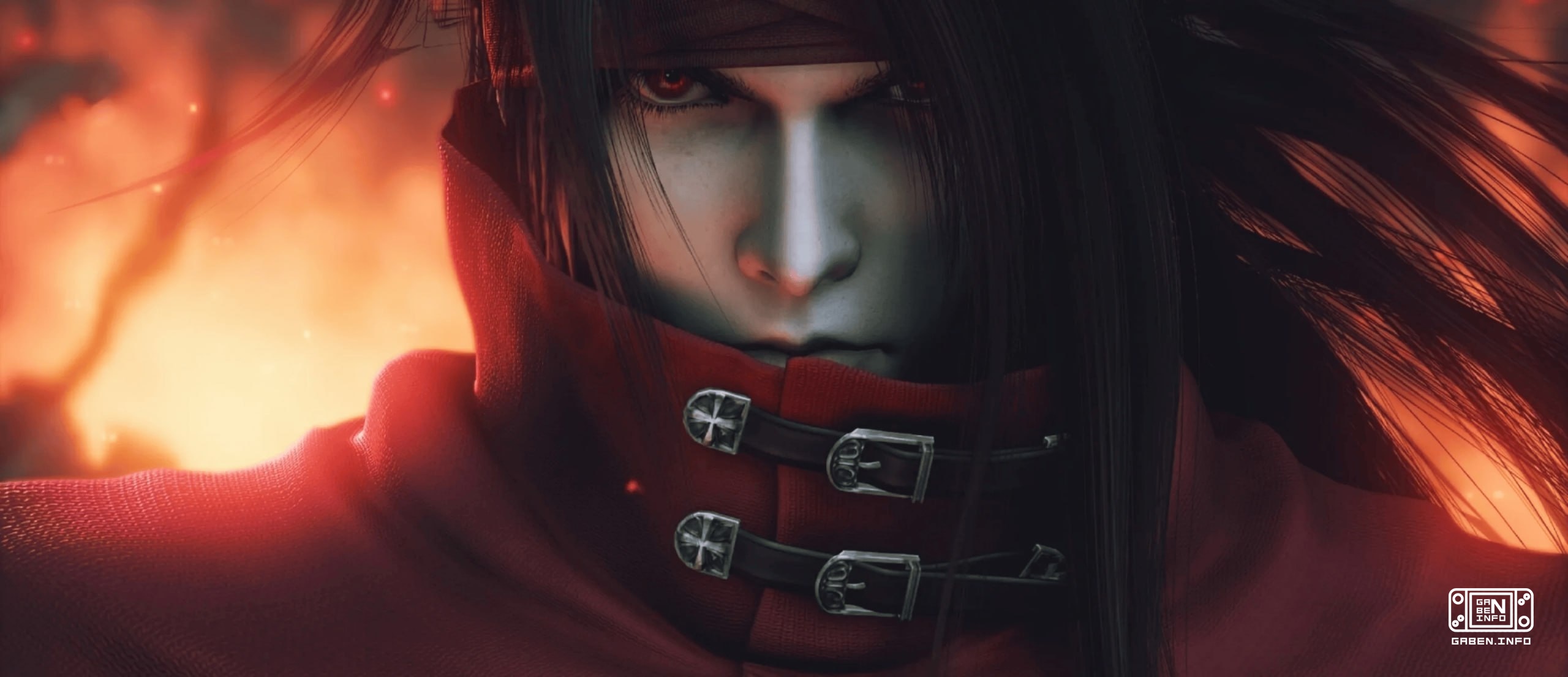
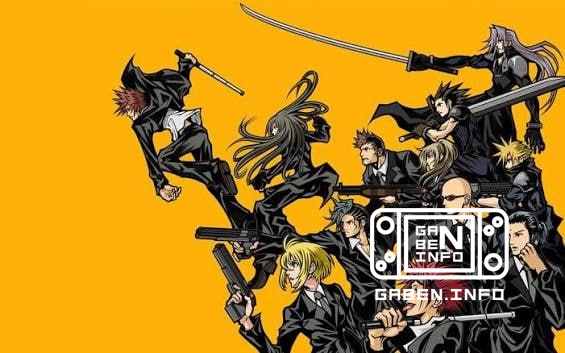
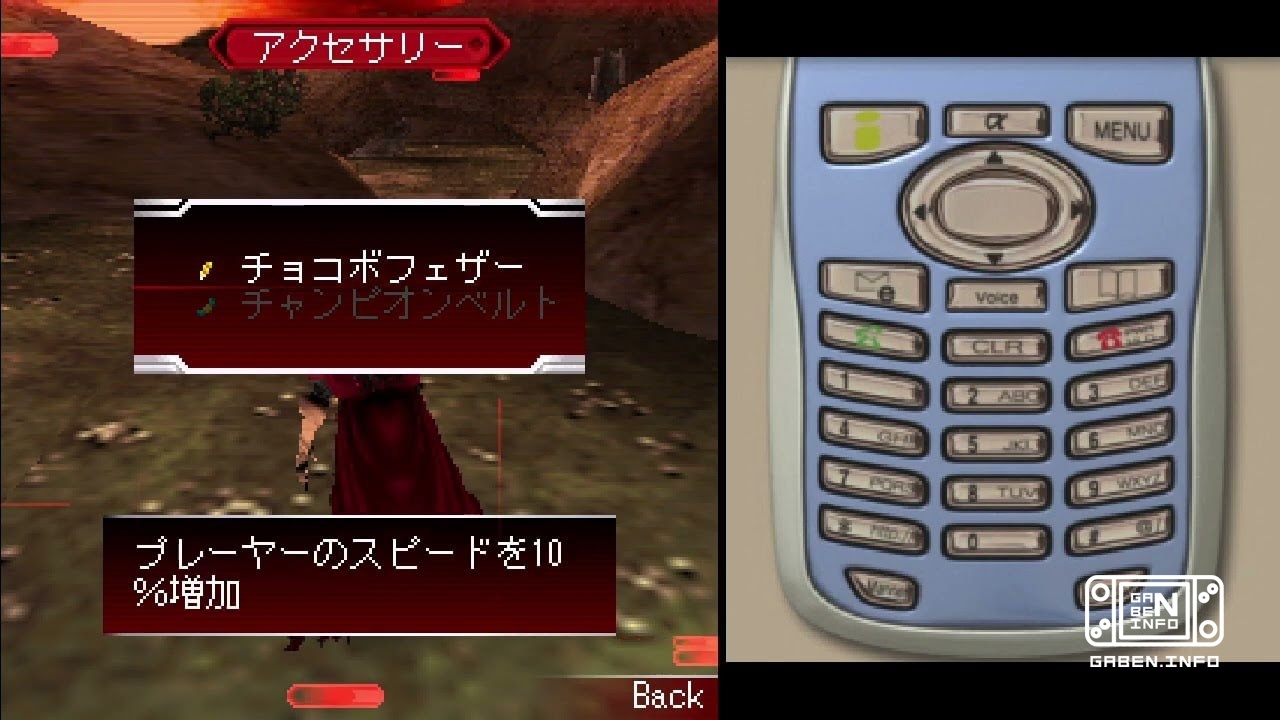
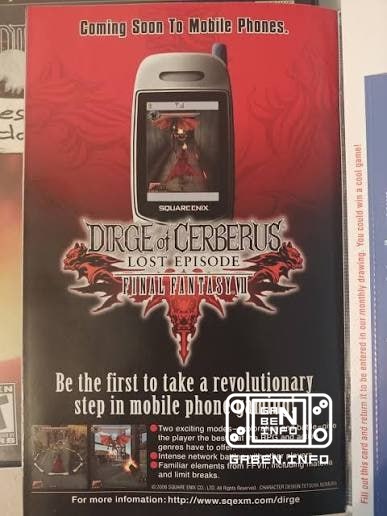
A couple of days ago, there was another big win -- fans were able to save Dirge of Cerberus: Lost Episode, a PS2 mobile spin-off shooter about Vincent Valentine from Final Fantasy VII.
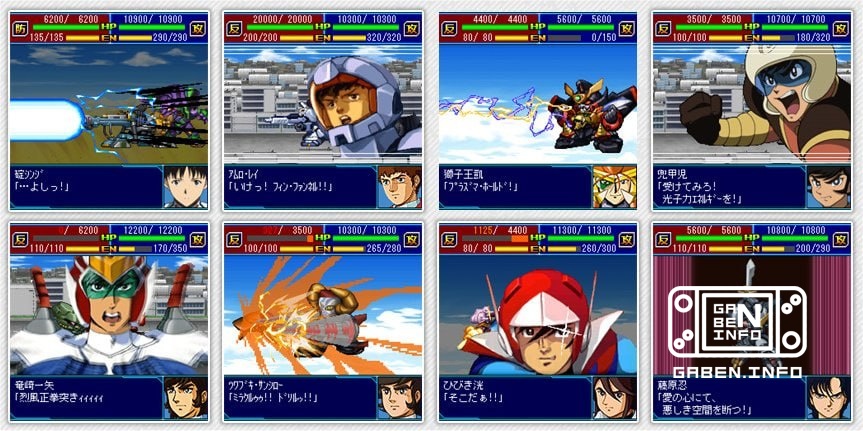
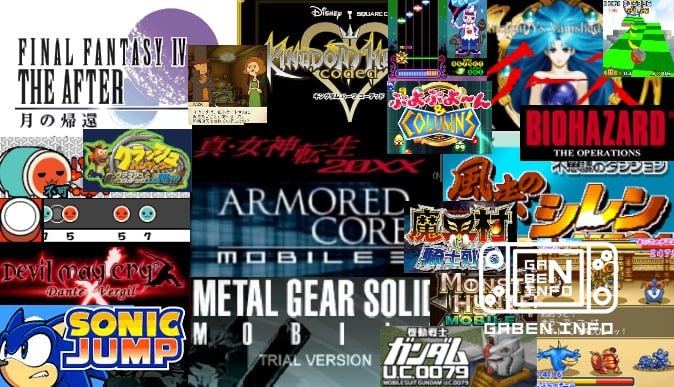
The cemetery of a Japanese gamemade, operator phones and their gaming services.
It's important to go far and explain why the Dirge of Cerberus: Lost Episode recovery is so important.
The point is, this is one of those games that the West has never seen or heard of, but only a fraction of the information about them because of two things: they never left Japan and, more importantly, they never left the platforms they were going to.
While in the early and mid-zero era in the West, the mobile gaming industry was just beginning to develop, in Japan it almost immediately became a separate cluster of the gaming market with its own rules.
For mobile games, by and large, there was no "once-and-for-all" game purchase or the concept of Free-to-Play.
The network operated on a monthly subscription model through a mobile phone account.
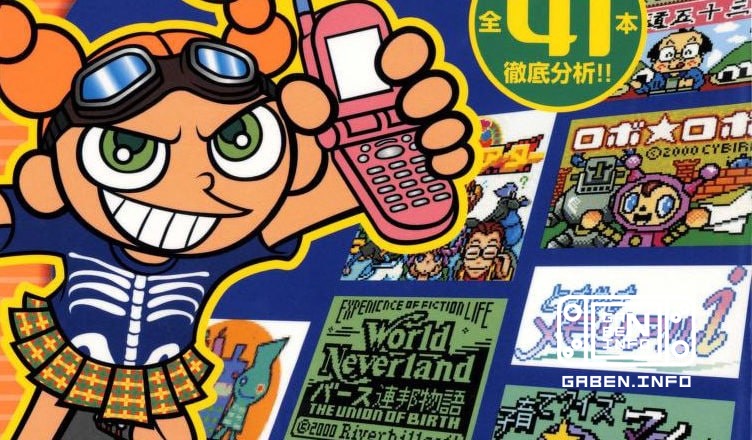
How it worked: you buy a mobile phone that knows Java or BREW applications, you pay the operator a monthly subscription, and in exchange for a WAP or GPRS network, it gives you access to an internal catalog of games and some software.
And to stimulate sales, companies often engaged well-known studios to develop spin-offs of their popular franchises.
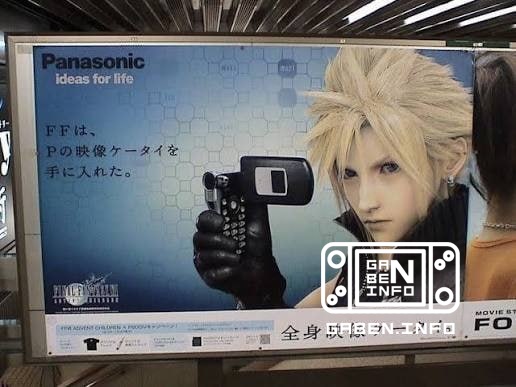
Thus, for example, Before Crisis: Final Fantasy VII, a prequel, was born, taking place 6 years before the original game (the game came out in episodes from 2004 and was an action-RPG), and the same Dirge of Cerberus: Lost Episode, whose leakage system was somehow tied to the mobile network of the Ampd Mobile operator.
The brilliance of the idea to distribute these games (and there were over a thousand of them) was in two things: the episodic format and, in fact, quite strong DRM protection.
The game was constantly communicating with the server to verify your subscription and license keys, and once you stopped paying or the operator shut down the service, the game was blocked.
And here's the most unpleasant fact: 99 percent of these games (and among them are, for example, two full-length story role-playing games in the iconic Mega Man Battle Network sub-series, a few little Persona games, and even a large mobile Kingdom Hearts) are lost without recovery.
Each project was encrypted with a unique key of a particular phone's processor. If you transfer files to a similar device, they won't run. For several years, there have been groups of enthusiasts who have been buying up old Japanese spreadsheets in the hope of at least finding a tag in the phone's memory, not to mention a fully installed game.
And in 2020, an initiative by the officials was very much in their way.
The Japanese government has organized a large-scale environmental campaign for the Tokyo Olympics. Citizens have handed over more than 6 million old mobile phones for recycling, from which precious metals have been cast. Along with silicon, thousands of unique copies of rare games have been burned in ovens.
And the DRM from these games is nowhere to be found, and even if you find a working phone with the game, when it launches, it tries to crash into the Square Enix or Capcom servers that no longer exist.
Now that you understand how serious this is, let's see how Dirge of Cerberus: Lost Episode was saved.
A random flash drive, the persistence of the fans and thousands of video cards save the game.
In 2024, the Keitai Game Preservation, an initiative to preserve Japanese mobile games from the era of button phones, is joined by a Yuvi to work on the reincarnation of Before Crisis: Final Fantasy VII (note that Square Enix itself is now urgently recounting the events of this game in its Ever Crisis FFVII hatch, which will soon be closed as well).
And that same year, the team managed to obtain a rare Japanese phone, the Hitachi W51H, with a pre-installed demo version of Before Crisis. During the analysis of the file system of this device and related Yuvi community archives, they came across the encrypted Dirge of Cerberus: Lost Episode files.
It just didn't seem possible to decrypt these files at home by yourself, the data was protected by the method described above, but it was too early to be happy the data was protected by a strong proprietary encryption algorithm tied to the iron old phones.
The security architecture required the transfer of a huge number of cryptographic keys, and Yuvi calculated that even if he used a flagship video card, breaking the code for just one file would take a whole month of continuous operation at a speed of about 70 to 80 gigawatt-per-second.
So we're back to the idea right now, in the summer of 2026, when Yuvi wrote custom software based on OpenCL, optimized for parallel computing on video cards.
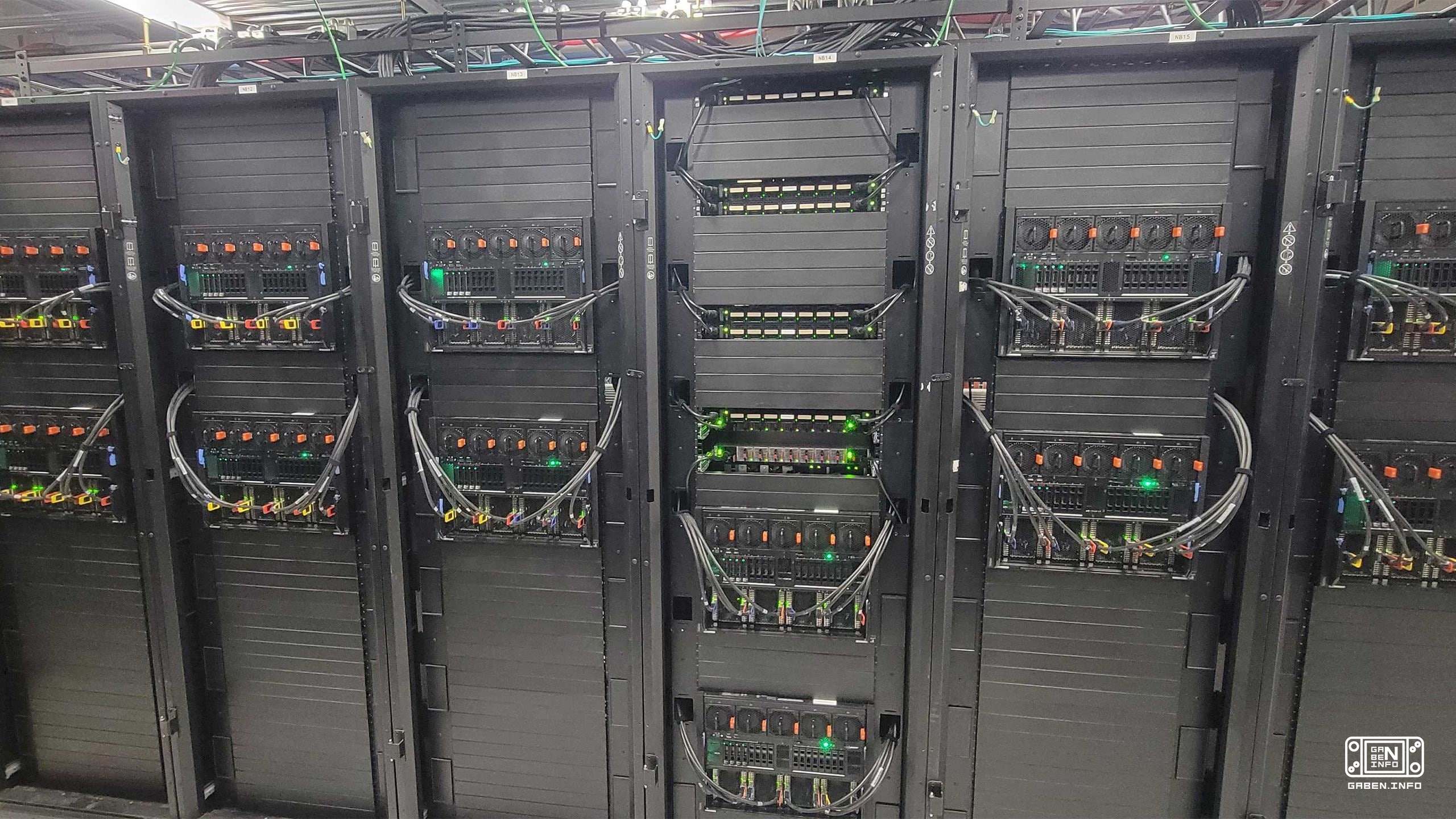
For its implementation, a cluster of more than 90 servers was leased, with not only the consumer NVIDIA RTX 4090 but also the commercial RTX 6000, RTX A4000, A4500, A5000 and even the top NVIDIA H200.
It took just 72 hours and $900 from a personal budget to fully decode the project. thanks to Yuvi, the source code, textures, three-dimensional assets and audio tracks of Dirge of Cerberus: Lost Episode are fully extracted and saved.
And it's those powers that triggered the current memory crisis in the consumer market.
By the way, the focus on producing the same NVIDIA H200 is one of the reasons for the current market crisis, but the big question is, will this become a precedent and will it even advance the initiative to save the leash?
Most likely... no. Brutfors Yuvi helped because Lost Episode was mostly a local game the server only checked the license and returned the files. And many, like modern games don't.
That's the story, cats.
@meownauts #game #shooter
Every game that's been restored and/or preserved is a real win for the industry. It seems like a huge number of games, and we're in the digital age, but no, a lot is lost forever for different reasons.
A couple of days ago, there was another big win -- fans were able to save Dirge of Cerberus: Lost Episode, a PS2 mobile spin-off shooter about Vincent Valentine from Final Fantasy VII.
The cemetery of a Japanese gamemade, operator phones and their gaming services.
It's important to go far and explain why the Dirge of Cerberus: Lost Episode recovery is so important.
The point is, this is one of those games that the West has never seen or heard of, but only a fraction of the information about them because of two things: they never left Japan and, more importantly, they never left the platforms they were going to.
While in the early and mid-zero era in the West, the mobile gaming industry was just beginning to develop, in Japan it almost immediately became a separate cluster of the gaming market with its own rules.
For mobile games, by and large, there was no "once-and-for-all" game purchase or the concept of Free-to-Play.
The network operated on a monthly subscription model through a mobile phone account.
How it worked: you buy a mobile phone that knows Java or BREW applications, you pay the operator a monthly subscription, and in exchange for a WAP or GPRS network, it gives you access to an internal catalog of games and some software.
And to stimulate sales, companies often engaged well-known studios to develop spin-offs of their popular franchises.
Thus, for example, Before Crisis: Final Fantasy VII, a prequel, was born, taking place 6 years before the original game (the game came out in episodes from 2004 and was an action-RPG), and the same Dirge of Cerberus: Lost Episode, whose leakage system was somehow tied to the mobile network of the Ampd Mobile operator.
The brilliance of the idea to distribute these games (and there were over a thousand of them) was in two things: the episodic format and, in fact, quite strong DRM protection.
The game was constantly communicating with the server to verify your subscription and license keys, and once you stopped paying or the operator shut down the service, the game was blocked.
And here's the most unpleasant fact: 99 percent of these games (and among them are, for example, two full-length story role-playing games in the iconic Mega Man Battle Network sub-series, a few little Persona games, and even a large mobile Kingdom Hearts) are lost without recovery.
Each project was encrypted with a unique key of a particular phone's processor. If you transfer files to a similar device, they won't run. For several years, there have been groups of enthusiasts who have been buying up old Japanese spreadsheets in the hope of at least finding a tag in the phone's memory, not to mention a fully installed game.
And in 2020, an initiative by the officials was very much in their way.
The Japanese government has organized a large-scale environmental campaign for the Tokyo Olympics. Citizens have handed over more than 6 million old mobile phones for recycling, from which precious metals have been cast. Along with silicon, thousands of unique copies of rare games have been burned in ovens.
And the DRM from these games is nowhere to be found, and even if you find a working phone with the game, when it launches, it tries to crash into the Square Enix or Capcom servers that no longer exist.
Now that you understand how serious this is, let's see how Dirge of Cerberus: Lost Episode was saved.
A random flash drive, the persistence of the fans and thousands of video cards save the game.
In 2024, the Keitai Game Preservation, an initiative to preserve Japanese mobile games from the era of button phones, is joined by a Yuvi to work on the reincarnation of Before Crisis: Final Fantasy VII (note that Square Enix itself is now urgently recounting the events of this game in its Ever Crisis FFVII hatch, which will soon be closed as well).
And that same year, the team managed to obtain a rare Japanese phone, the Hitachi W51H, with a pre-installed demo version of Before Crisis. During the analysis of the file system of this device and related Yuvi community archives, they came across the encrypted Dirge of Cerberus: Lost Episode files.
It just didn't seem possible to decrypt these files at home by yourself, the data was protected by the method described above, but it was too early to be happy the data was protected by a strong proprietary encryption algorithm tied to the iron old phones.
The security architecture required the transfer of a huge number of cryptographic keys, and Yuvi calculated that even if he used a flagship video card, breaking the code for just one file would take a whole month of continuous operation at a speed of about 70 to 80 gigawatt-per-second.
So we're back to the idea right now, in the summer of 2026, when Yuvi wrote custom software based on OpenCL, optimized for parallel computing on video cards.
For its implementation, a cluster of more than 90 servers was leased, with not only the consumer NVIDIA RTX 4090 but also the commercial RTX 6000, RTX A4000, A4500, A5000 and even the top NVIDIA H200.
It took just 72 hours and $900 from a personal budget to fully decode the project. thanks to Yuvi, the source code, textures, three-dimensional assets and audio tracks of Dirge of Cerberus: Lost Episode are fully extracted and saved.
And it's those powers that triggered the current memory crisis in the consumer market.
By the way, the focus on producing the same NVIDIA H200 is one of the reasons for the current market crisis, but the big question is, will this become a precedent and will it even advance the initiative to save the leash?
Most likely... no. Brutfors Yuvi helped because Lost Episode was mostly a local game the server only checked the license and returned the files. And many, like modern games don't.
That's the story, cats.
@meownauts #game #shooter